Buying a used car in the UAE, step by step
A checklist for buying a used car in Dubai: checking the price and the paperwork, clearing the seller's loan and fines, insurance and the RTA transfer, with every official fee linked to its source.
Most of the work in buying a used car here happens before you meet the seller. Most of the risk sits in paperwork you cannot see from the driver’s seat: a bank loan still registered on the car, or an import that was never cleared as GCC compliant.
This checklist follows the order things happen in Dubai, where the Roads and Transport Authority (RTA) runs registration. The other emirates run their own registration, so check the page of the authority in your emirate before you rely on a figure below. Every fee in this guide links to the official page it comes from.
Fix the budget before you look, loan included
If you need a loan, the Central Bank sets the outer limits. A car loan cannot exceed 80% of the value of the car, repayment is capped at 60 months, and all your instalments together, credit cards included, must stay within 50% of your gross salary. In practice that means the deposit, at least the remaining 20% of the price, comes from your own pocket.
The same rules oblige a bank that advertises a “flat” interest rate to show the equivalent effective rate next to it. Ask every lender for the effective rate and compare offers on that, because the flat figure always looks smaller.
Then the running costs. Cars with the same asking price can cost quite different amounts to insure and service, and they lose value at different speeds. The running-costs page adds those up per model, and the budget shortlist ranks the cars within your budget by what they cost to keep.
- Decide cash or loan. For a loan, get a pre-approval so you know your ceiling before you start negotiating.
- Put the government fees and the first insurance premium aside on top of the price. The fees are in the table further down.
Shortlist on specs as well as on the model
A car sold new by a UAE dealer is normally built to GCC specifications. Imports, often from North America or Japan, can be good cars, but the paperwork is heavier. When the customs card does not show the car as compliant with Gulf specifications, the RTA asks for a conformity document from the Ministry of Industry and Advanced Technology before it registers the car in your name. Without that document the transfer stops at the counter.
An import also has a history that happened abroad. Run its VIN (the chassis number printed on the registration card) through a history service such as Carfax for North American cars, and look for auction photos and for salvage or flood records. A clean inspection in Dubai does not tell you the car was written off in Texas before it was shipped.
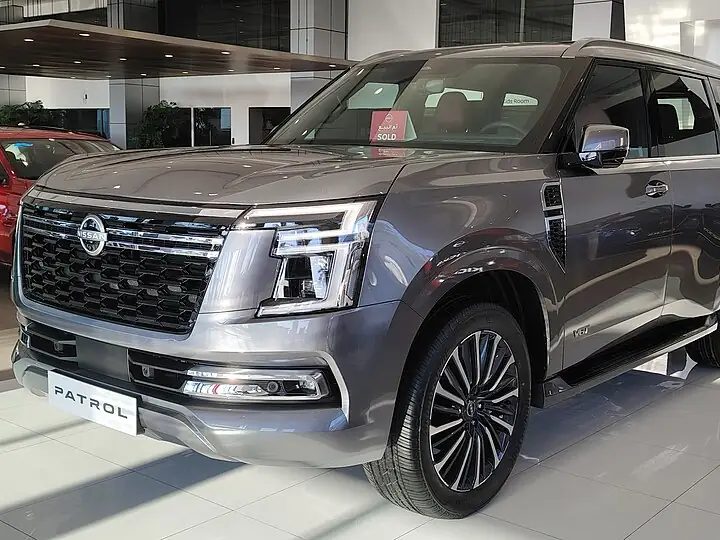
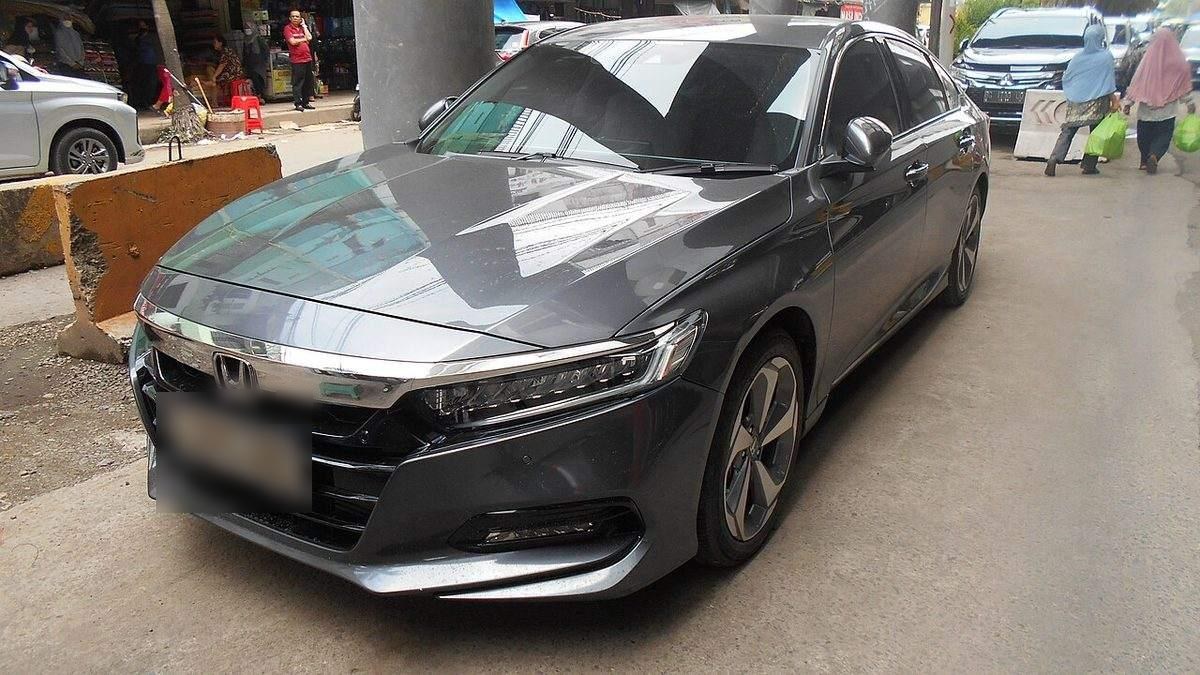
Our model pages show the share of listings that are GCC specs and how asking prices move from one model year to the next, for example the Toyota Camry or the Nissan Patrol. The comparison page puts a Camry and an Accord side by side on running cost.
Check the asking price against the market
Listings show asking prices. They are not what cars sell for, and a listing that disappears has not necessarily sold. Treat the price on the advert as the seller’s opening position.
The Check a seller’s price page gives the middle half of asking prices for the same model and year, shifted for the mileage of the car you are looking at. If the car sits above that range, the seller needs a reason: lower mileage, a full dealer service history, recent big-ticket work such as tyres or a gearbox service, or warranty left to run. If it sits well below, find out why before you get excited.
The deals page lists dealer cars priced far below comparable listings. Each entry links to the original advert, so you can run the same checks on it as on any other car.
Ask for the paperwork before you drive across town
A phone call can save a wasted Saturday. Before the viewing, ask the seller:
- For a photo of the registration card (the mulkiya). The name on it should match the person selling, or the seller should hold a power of attorney from the owner.
- Whether there is a bank loan on the car. If there is, which bank, and whether they will settle it before the transfer.
- Whether there are fines on the plate. You can look up vehicle fines with the plate number through the RTA fines service, which also covers fines issued in other emirates.
- For the service history: dealer stamps, invoices, or a printout from the dealer’s system.
- Whether the registration is still valid. If it has lapsed, the owner has to pay a non-renewal fine before the car can change hands.
If the seller will not send a photo of the registration card, move on to the next car on your list.
Inspect the car yourself, then get an independent check
First look yourself, in daylight, with the engine cold.
- Check that the chassis number on the car matches the number printed on the registration card.
- Look for paint that does not match between panels, uneven gaps around the bonnet and doors, and overspray on rubber seals. These usually point to accident repairs.
- Lift the carpets and look in the spare wheel well for dried mud or a tide mark, which are signs of flood damage.
- Turn the air conditioning to full at the start and leave it on for the whole drive. If it stops blowing cold halfway, get a quote for the repair before you talk price.
- Drive it somewhere you can reach motorway speed, then brake firmly.
Then pay for an independent inspection before you agree a price. The RTA’s own technical inspection costs AED 170 for a light vehicle, made of AED 150 for the inspection and AED 20 for the knowledge and innovation fee. It is needed for the transfer, but it is a roadworthiness test for registration, not a verdict on whether the gearbox is on its way out.
Independent garages and the brand’s own dealer workshops offer a fuller pre-purchase check. Ask any testing centre whether it does one too; the RTA’s list of approved testing centres covers the registration inspection only. We did not find an official price list for pre-purchase checks, so we do not quote a price here. Ask for the report in writing, with photos, and keep it.
If the seller refuses an independent inspection, walk away.
Clear the seller’s loan and the fines
At the transfer counter, a loan on the car and unpaid fines are the usual things that stop a sale going through.
A UAE car loan has to be secured by a mortgage over the car, registered with the traffic authority. The RTA will not transfer a mortgaged car until the bank has issued an electronic mortgage release. The usual sequence:
- The seller asks the bank for a liability letter showing what is left to pay. The Central Bank’s fee schedule lists AED 60 for a car loan liability letter issued to another bank.
- The loan is settled. For early settlement of a car loan, the same schedule sets the charge at 1% of the outstanding amount.
- The bank sends the release to the traffic department. The schedule puts the bank’s NOC to the traffic department at AED 0.
If part of your payment goes towards the seller’s loan, pay the bank directly against the liability letter, not the seller, and wait for the release before you hand over the rest.
Fines are the other blocker. In the RTA’s steps the seller pays the fines on the vehicle first, and the page tells the parties to pay all traffic fines, from Dubai and the other emirates. It adds that when the car is registered for one year, the buyer pays all the fines as well, so clear anything on your own record before you go to the centre. If you do not have a Dubai traffic file, you open a new one, which costs AED 200.
Agree the price and the paperwork that goes with it
A private seller who is not registered for VAT does not charge VAT. A dealer can choose to charge VAT on its margin only, under the profit margin scheme. The Federal Tax Authority’s own example is a dealer that buys a car for AED 105,000 including costs and sells it for AED 250,000: it owes AED 6,904.76 of VAT on the margin rather than VAT on the whole selling price. Under the scheme the tax invoice says VAT was charged on the margin and must not show the VAT amount, so a missing VAT line on a dealer invoice is normal. An extended warranty sold as a separate product is taxed under the normal VAT rules.
For a private sale in Dubai, the contract is the RTA’s online Sale and Purchase Agreement. The seller starts it, you receive a link by SMS and email to sign, and then the seller signs. The agreement is valid for 14 days, after which it is cancelled and you start again. Any change to its content after both sides have signed voids the sale, so check the price and the chassis number before anyone signs.
Pay when the agreement is signed, by bank transfer or manager’s cheque, so there is a record with both names on it. Cash handed over in a car park leaves you with nothing to show if the transfer falls through.
Insure the car in your name
Insurance is on the RTA’s list of requirements for the transfer, and in the Dubai Now app the buyer buys the policy before taking the car for inspection. Get quotes as soon as the price is agreed. Have the agreement or the registration card to hand when you ask for quotes.
You need a policy of your own. The RTA service also covers the insurance refund certificate the seller can use to claim back the unused part of their own policy.
Transfer the ownership at the RTA
The RTA describes the steps for an individual selling to an individual like this, on its vehicle ownership service page:
- The seller logs in with UAE Pass, chooses Change Vehicle Ownership and selects the car.
- Fines are paid.
- The seller enters your Emirates ID number and phone number, and chooses whether to return the plate or keep it for a future car.
- You sign the Sale and Purchase Agreement and pay the fees. The seller signs.
- The seller hands over the plates. Ownership moves to your name only after that.
- You take the car for its technical inspection and complete the registration at an RTA centre. You, or your legal representative, have to be there in person.
These are the official fees for a private light vehicle in Dubai:
| Item | Fee, AED |
|---|---|
| Registration of a light vehicle | 350 |
| Number plates, short or long | 35 or AED 50 |
| Sale and Purchase Agreement | 50 |
| Knowledge and innovation fee | 20 |
| Transfer total with short plates, as listed by the RTA | 455 |
| Technical inspection | 170 |
| New traffic file, if you do not have one | 200 |
Add the rows that apply to you. With short plates and the inspection, the government side comes to AED 625. If you also need a traffic file, it is AED 825. The inspection certificate is valid for 30 days, and the RTA asks for licensing transactions to be completed within 14 days to avoid penalties.
After the car is yours
- If the seller’s Salik tag is still on the windscreen, ask them to remove it, and fit a tag registered to your own Salik account.
- Keep the signed agreement and the inspection report with the service invoices, in the glovebox or in a folder at home.
- Book the next service from the history you collected, not from the reminder on the dashboard.
- Renewal also needs a technical inspection. The exemption is for a new car with its first owner, for three years from the year of manufacture or registration, whichever comes first, which a used car bought from a private seller will not meet.
Before you hand over the money
Go ahead only when the name on the registration card matches the seller (or a power of attorney covers it), an independent inspection report is in your hands, any loan has a release on its way from the bank, and the fines on the car are paid. If any of these is missing, the transfer can wait a day or the deal can go.
On price, start from the price range for that model, year and mileage. A car above the range needs paperwork to justify it, such as dealer service records or remaining warranty. If the seller has none, offer at the range and be ready to leave. Keep between AED 625 and AED 825 aside for RTA fees, plus the insurance premium, on top of whatever you agree.
How we measured
This guide uses no Cars Oracle listings data, so it has no factsheet and no sample size. Every figure comes from an official page we opened on 8 October 2026, and the RTA service pages we used were last updated on 6 October 2026. The totals in the fee section are our own sums of the RTA’s listed fees. Fees change, so check the linked page before you pay. For how our own listing figures are built, see the methodology.
Sources:
- RTA, Apply for Changing a Vehicle Ownership (individuals): requirements, steps, fees, agreement validity, non-renewal fine.
- RTA, Apply for Changing a Vehicle Ownership, Change of Vehicle Possession: traffic file fee, Dubai Now app steps.
- RTA, Apply for Vehicle Inspection: inspection fees, certificate validity, approved centres, exemption for new cars.
- RTA, Pay Vehicle Fines: fines from Dubai and other emirates.
- Central Bank of the UAE, Regulation No. 29/2011 regarding Bank Loans and Other Services Offered to Individual Customers: car loan limits, salary limit, effective rate disclosure, fee schedule.
- Federal Tax Authority, Profit Margin Scheme VAT Guide (VATGPM1), January 2026: VAT on used cars sold by dealers.
Drafted with AI from our own data, every figure checked against its source, approved by the editor.
The cars in this guide
Related guides
GCC specs or American import: what is the difference worth?
The same model is often listed in Dubai in both versions. We read the RTA and ministry rules and an insurance broker's guidance to see what changes for the buyer, and what to check before paying less for an American import.
Tasjeel inspection: what do they check?
What Dubai's vehicle technical inspection looks at, when your car needs it, what it costs, and what to do if it fails, with every rule and fee linked to the RTA page it comes from.